

Top 152 AI Voice Synthesis Tools and Products
AI Voice Synthesis is a technology that uses deep learning algorithms to convert text into natural speech. It is widely used in online education, audiobooks, virtual customer service, mobile assistants, and other fields to effectively enhance the naturalness and interactivity of human-computer interaction.
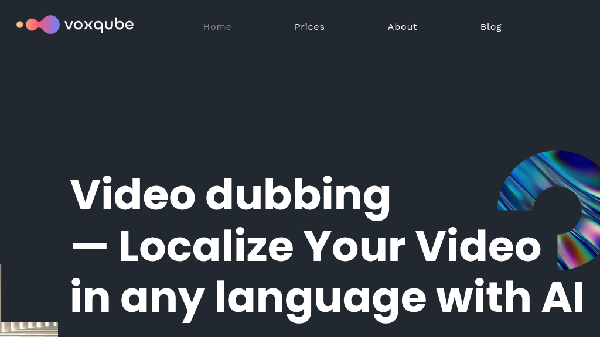

11K-10%
Voxqube
AI Video Generator
AI Translation
AI Content Generator
AI Video Editor
AI Voice Synthesis
AI Voice Assistant
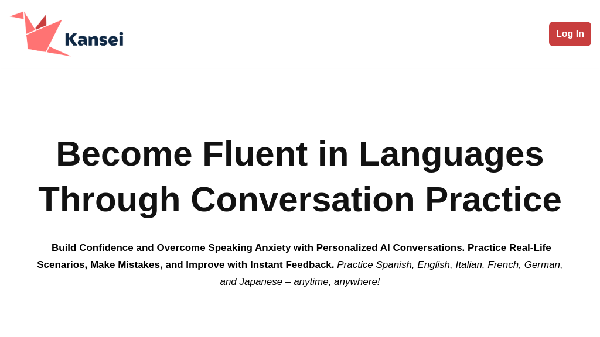

7K+47%
Kansei
AI Voice Recognition
AI Voice Synthesis
AI Voice Assistant
AI Education Assistant

CelebrityAiVoiceGenerator
AI Voice Cloning
AI Voice Synthesis
AI Voice Assistant
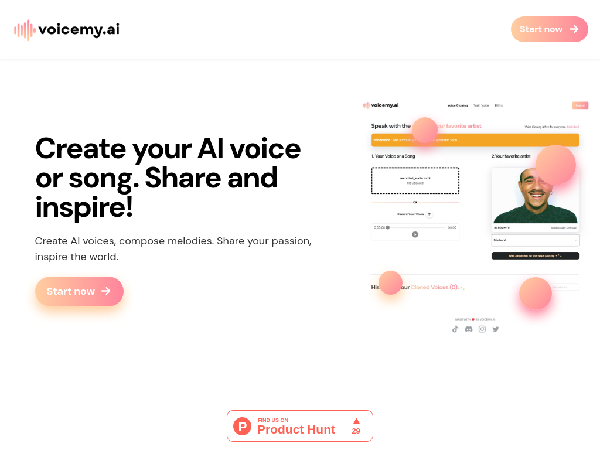

83K+84%
VoiceMy.AI
AI Voice Cloning
AI Voice Synthesis
AI Voice Assistant
AI Music Generator
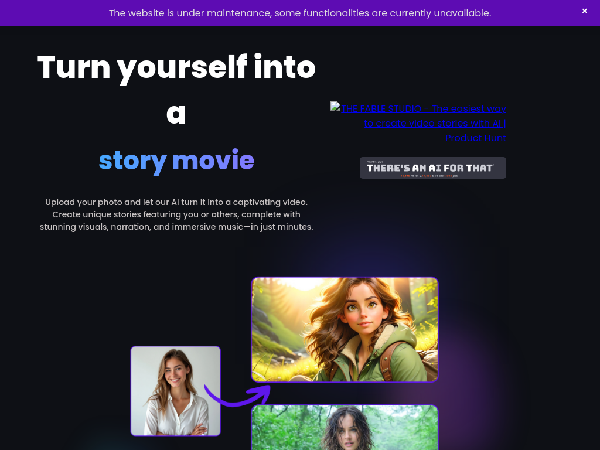

3K+94%
TheFableStudio
AI Video Generator
AI Subtitles or Titles
AI Content Generator
AI Video Editor
AI Voice Synthesis
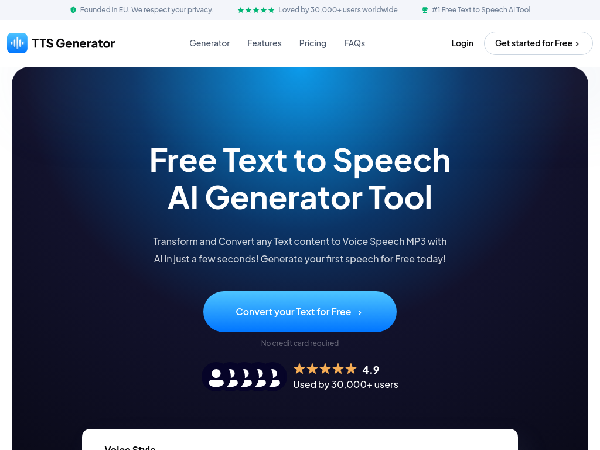

TtsGenerator
AI Video Generator
AI Voice Synthesis
AI Education Assistant
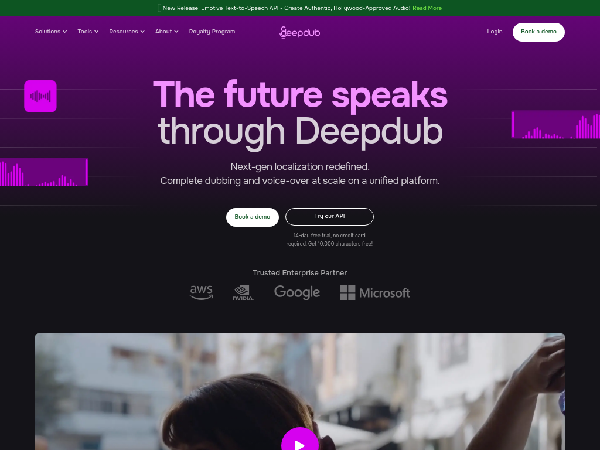

94K+23%
DeepdubAI
Image Processing
Color Schemes
AI Voice Cloning
AI Voice Recognition
AI Voice Synthesis
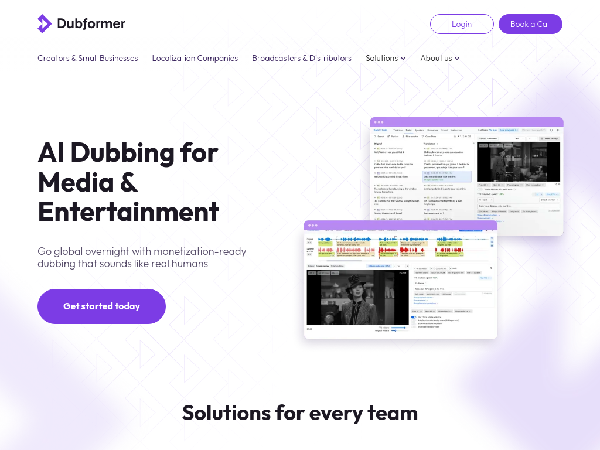

22K-10%
Dubformer
Color Schemes
AI Video Generator
AI Translation
AI Content Generator
AI Voice Synthesis
AI Voice Assistant
Featured Products

BlurMe
AI-powered instant photo and video blurring

Vogue AI
AI creative tools suite

Nexty
Modern Next.js SaaS starter template

Neural Frames
AI-powered music video generator

Siimple
Three-step professional website builder

FalcoCut
AI-powered social media video generator

XXAI
Free desktop software integrating 15 top AI models

Storydoc
Create stunning interactive presentations easily
Core Features
- High-Quality Voice Synthesis: AI voice synthesis technology uses audio samples to generate clear and natural speech.
- Multiple Voice Choices: Users can select different tones, speeds, and pitches according to their needs.
- Adaptability to Multiple Languages: Supports voice synthesis in multiple languages and dialects, facilitating use by diverse user groups.
- Real-Time Text-to-Speech: Quickly converts input text into speech, supporting various APIs and integrations.
Applicable Scenarios and Target User Groups
| Scenario | Target User Group | User Needs and Pain Points |
|---|---|---|
| Online Education | Students, Teachers | Provide natural oral explanations to enhance learning interactivity |
| Audiobooks | Reading Enthusiasts | Enjoy a high-quality audiobook experience |
| Virtual Customer Service | Corporate Customer Support Teams | Enhance customer interaction and reduce response time |
| Mobile Assistants | General Users | Improve the voice interaction capabilities of smart devices |
Differences and Advantages Compared to Other Types
| Type | Advantages | Differences |
|---|---|---|
| AI Voice Synthesis | Natural and fluent voice, strong adaptability | More flexible and controllable compared to traditional recordings |
| Speech Recognition | Focused on converting speech to text | Different execution direction |
| Machine Translation | Language understanding and generation | Different purposes |
Recommendations for Selection and Use
- Evaluate Voice Quality: When selecting a voice synthesis tool, ensure the naturalness and clarity of its voice output.
- Consider Multi-Language Support: If the application scenario requires multiple languages, choose a tool that supports a variety of languages.
- APIs and Integration: Check whether the tool provides API interfaces for system integration.
- User Experience Feedback: Refer to other users' reviews to understand the actual performance of the tool.
- Testing and Validation: Before formal use, conduct small-scale testing to validate its features and effectiveness.
- Updates and Maintenance: Choose tools that are regularly updated and provide good technical support to ensure long-term usability.
FAQs


Discover and compare your next favorite tools in our thoughtfully curated collection.
2024 Similarlabs. All rights reserved.
Collections
Designer Tools CollectionCategories
AI Data Analysis ToolAI Content GeneratorAI AssistantAI Social Media AssistantAI Image EditorAI Marketing Plan GeneratorAI Video GeneratorAI Education AssistantAI Writing AssistantExplore
Featured ProductsFree ProductsLatest ProductsDomain Update in 6 MonthsDomain Update in 1 YearTop Traffic ProductsTop Traffic Growth Productsllms.txt2024 Similarlabs. All rights reserved.