


Recce - Validate data changes fast

> "In data engineering, the difference between a good deployment and a disaster often comes down to one thing: visibility. That's where Recce changes the game."

# What is Recce? The Data Validation Toolkit Transforming dbt Workflows

## 🚀 The PR Review Bottleneck Nobody Talks About

Let me paint you a familiar picture: It's 4:30 PM on Friday. Your team just submitted a dbt PR that touches 15 models. The CI tests pass, but your gut says there's more to check. Do you:

1. Manually compare production vs development datasets?
2. Try to mentally map downstream impacts?
3. Cross your fingers and merge?

We've all been there. Traditional dbt PR reviews are like flying blind - you see the code changes but lack **contextual awareness** of their data impact. This is the exact pain point Recce was born to solve.

## 🔍 Recce Explained: Your Data Change Microscope

Recce isn't just another validation tool - it's a **context engine** for your dbt projects. Think of it as:

- A change detection system that actually understands data lineage
- A collaboration layer that speaks both engineer and stakeholder languages
- A safety net that catches what schema tests miss

```mermaid
graph TD
    A[dbt PR] --> B(Recce Analysis)
    B --> C{Change Impact}
    C --> D[Downstream Models]
    C --> E[Data Values]
    C --> F[Lineage Paths]
💡 Why Top Data Teams Are Adopting Recce
The Visibility Advantage
- See beyond the schema: While dbt tests check constraints, Recce shows you actual value changes across environments
- Impact mapping: Visualize how a single column change ripples through 20 downstream models
- Checklist generation: Automates the "what should I review?" mental labor
Real-World Results
The Rio de Janeiro Department of Health saw:
- 90% reduction in PR review time
- 10x productivity boost
- Confidence in health records for 7 million people
As Thiago Trabach (Head of Data Science) put it:
"From a day to less than an hour to merge."
🛠️ How Recce Works in Practice
1. Change Detection
Recce automatically:
- Identifies modified models and their dependencies
- Flags high-risk changes (like type conversions)
- Generates comparison queries
2. Contextual Validation
- Side-by-side data diffs (not just schema)
- Lineage visualization
- Sample record comparisons
3. Collaborative Review
- Shareable reports with business context
- SOC-2 compliant cloud option
- Stakeholder-friendly summaries
🌐 Where Recce Fits in Your Stack
Recce complements (rather than replaces) your existing tools:
| Tool | What It Does | Where Recce Adds Value |
|---|---|---|
| dbt Core | Model transformation | Shows data impact of those transforms |
| dbt Cloud CI | Runs tests | Provides visual change context |
| Data Lineage | Shows flows | Highlights active impact areas |
🚀 Getting Started with Recce
For dbt Teams:
- Install via
pip install recce(GitHub) - Run
recce reviewagainst your PR - Share findings via Recce Cloud
Key Features to Explore:
- Automated checklists: Never miss a review step
- Query comparison: See before/after data states
- Impact scoring: Prioritize review efforts
Pro Tip: Start with their live demo to see Recce in action before installing.
🔮 The Future of Data Reviews
As data systems grow more complex, tools like Recce aren't just nice-to-have - they're becoming essential. What excites me most isn't just the time savings (though 90% is impressive), but how it changes team dynamics:
- Engineers spend less time firefighting
- Stakeholders gain trust through visibility
- Organizations ship faster without sacrificing quality
In an era where data quality makes or breaks companies, having this level of review confidence might soon be as standard as version control.
Want to see it work? Try the demo or explore case studies from teams using Recce in production.
Features
Detect Changes
Scans for changes and generates a checklist.
Verify Impact
Contextualizes data modifications and validates with stakeholders.
Deploy with Confidence
Automates best practices and ships clean data.
Traffic(2025-07)
Monthly Traffic
Traffic Source
Top Keywords
| Keyword | Traffic | Volume | CPC |
|---|---|---|---|
| recce | 0 | 10420 | 0.23 |
| recce meaning | 0 | 8130 | - |
| recee | 0 | 1050 | - |
| pr review | 0 | 840 | - |
| reccee | 0 | 610 | - |
Source Region
Whois
| Domain | datarecce.io |
| Creation Date | 2025-11-21 08:37:53 |
| Last Updated | 2024-10-04 17:40:16 |
| Domain Status | clienttransferprohibited, //icann.org/epp |
| Registrar | Gandi SAS |
| Registrar IANA ID | 81 |
| Registrar URL | https://www.gandi.net |
| Registrant Organization | InfuseAI Inc. |
| Registrant State | TX |
| Registrant Country | US |
Featured Products

Seismic

Groq

HypeAuditor

Connected Papers

Onfido

PolyAI

Tableau

TopViewAI
Related Categories
Copy embed code
Alternative Products


Sopa


Influsfera


DNSRedo


Nemotron
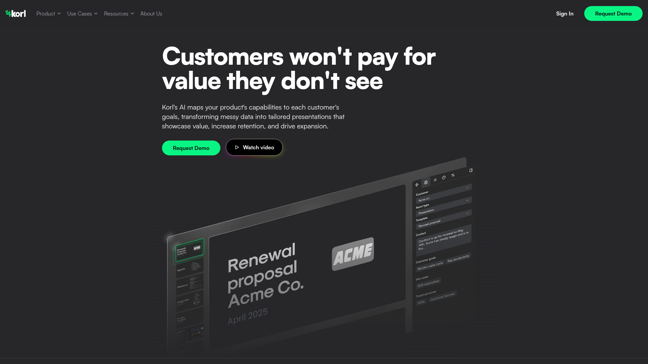

Korl
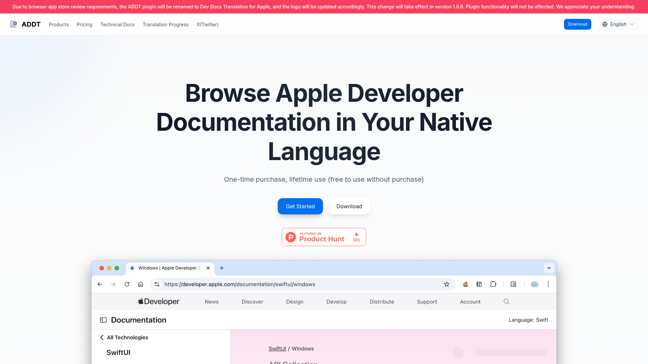

Dev Docs Translation for Apple

Seismic


CustomGpt

